10 Safety Measures When Working in a Confined Space
Table of Contents
- Key Takeaways
- Understanding Confined Spaces
- Common Examples of Confined Spaces
- Hazards Associated with Confined Spaces
- 10 Essential Safety Measures for Working in Confined Spaces
- Summary
- Frequently Asked Questions
Key Takeaways
- Confined spaces are high-risk environments due to limited access, poor ventilation, and hazardous atmospheres.
- Proper safety protocols—like risk assessments, permits, and air monitoring—are essential.
- Legal regulations require employers to minimise risks and implement emergency procedures.
Understanding Confined Spaces
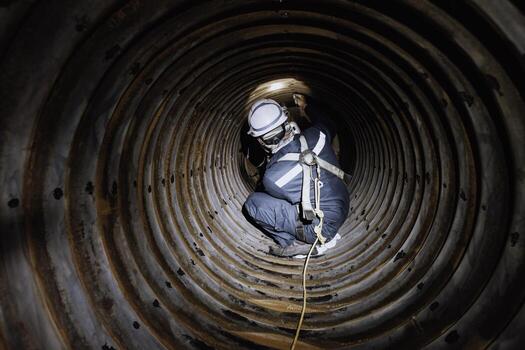
A confined space is any area that is substantially enclosed, has limited entry or exit points, and is not designed for continuous human occupancy. These environments can quickly become dangerous due to restricted airflow, hazardous substances, or oxygen deficiency.
Understanding what qualifies as a confined space is the first step toward preventing accidents and ensuring workplace safety.
Limited Entry and Exit Points
Confined spaces often have narrow or restricted access, making movement difficult and emergency evacuation challenging. For example, wells or shafts typically have only one entry and exit point, increasing the risk during emergencies.
Because of these dangers, regulations emphasize avoiding entry whenever possible and implementing strict safety controls when entry is necessary.
Not Designed for Continuous Occupancy
These spaces are not built for people to work in regularly. Instead, they are often used for storage or housing equipment. As a result, they lack proper ventilation, lighting, and safety infrastructure.
This makes hazards like toxic gas buildup, oxygen depletion, and dust accumulation far more likely.
Common Examples of Confined Spaces
Confined spaces exist across many industries. Some common examples include:
- Storage tanks and silos
- Tunnels and underground vaults
- Boilers and pressure vessels
- Sewers and drainage systems
- Cargo holds and ducts
Each of these environments presents unique risks, making proper identification critical before any work begins.
Hazards Associated with Confined Spaces
Working in confined spaces exposes workers to several serious risks, including:
Toxic Gases and Asphyxiation
Gases like hydrogen sulfide and carbon monoxide can be deadly. These gases may be odorless or undetectable, making them especially dangerous.
Poor ventilation can quickly lead to oxygen deficiency, increasing the risk of unconsciousness or death.
Flammable Atmospheres
Confined spaces may contain flammable gases or vapors. Even a small spark can trigger explosions or fires, putting workers at extreme risk.
Heat Stress and Excessive Heat
Limited airflow can cause heat to build up rapidly. This can lead to heat exhaustion, heat stroke, and dehydration if not properly managed.
10 Essential Safety Measures for Working in Confined Spaces
To reduce risks, follow these critical safety practices:
1. Conduct a Risk Assessment
Always identify potential hazards before entry. Evaluate risks such as toxic gases, oxygen levels, and physical obstructions.
2. Obtain a Permit to Work
Use a permit-to-work system to ensure all safety checks are completed and only authorized personnel enter the space.
3. Ventilate the Space
Ensure a steady supply of fresh air using mechanical ventilation systems to prevent gas buildup.
4. Use Personal Protective Equipment (PPE)
Wear appropriate PPE such as helmets, gloves, respirators, and safety harnesses based on the identified risks.
5. Test the Atmosphere
Continuously monitor oxygen levels and detect toxic or flammable gases using reliable equipment.
6. Implement an Emergency Plan
Have a clear rescue and evacuation plan in place. Ensure all workers understand their roles in an emergency.
7. Use a Trained Standby Person
A trained observer should remain outside the space to monitor conditions and respond quickly if something goes wrong.
8. Control Access
Restrict entry to trained and authorized personnel only. Use warning signs and physical barriers where necessary.
9. Communicate Effectively
Maintain constant communication between workers inside the space and those outside using radios or other devices.
10. Monitor and Review Procedures
After each job, review safety measures and improve processes to prevent future incidents.
Summary
Confined spaces present serious and often hidden dangers—from toxic gases to extreme heat and limited escape routes. Without proper precautions, these environments can quickly become life-threatening.
By conducting thorough risk assessments, using appropriate safety equipment, and following structured procedures, workers can significantly reduce these risks. Safety in confined spaces isn’t optional—it’s essential.
Frequently Asked Questions
What is a confined space?
A confined space is an enclosed or partially enclosed area with limited entry and exit, not designed for continuous occupancy, and potentially hazardous.
Why are confined spaces dangerous?
They can contain toxic gases, low oxygen levels, or flammable substances, and often have poor ventilation and limited escape routes.
What is a permit-required confined space?
It’s a confined space that requires a formal permit before entry due to higher risks, ensuring safety procedures are followed.
What equipment is needed for confined space work?
Common equipment includes gas detectors, ventilation systems, PPE, communication devices, and rescue gear.